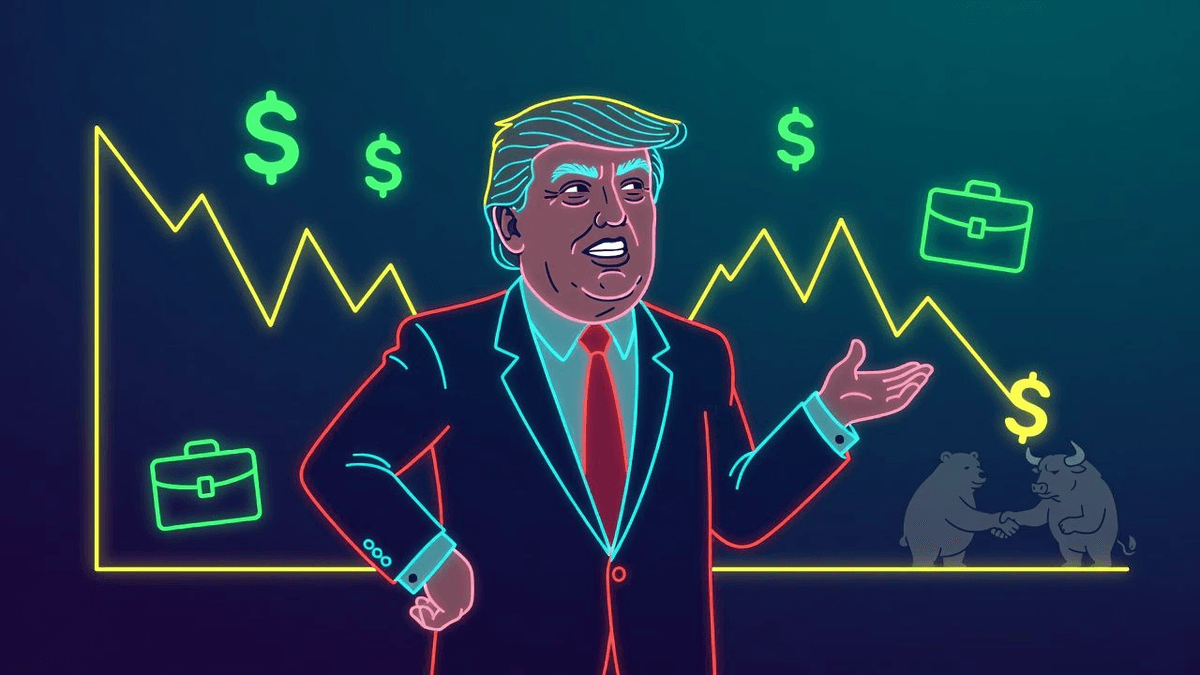
Emerging-market currencies and ETFs surged after the president canceled planned attacks on Iran, with traders immediately spinning the move as proof a deal is near. The logic here is thin: skip the bombs and suddenly everyone assumes both sides will sign paperwork by Friday.
The real driver is simple avoidance. Markets hate uncertainty, especially the kind that involves missiles and oil spikes, so any backtrack gets rebranded as strategic genius. One minute it's escalation theater, the next it's masterful diplomacy because someone read the room and chose not to set it on fire.
Calling off strikes isn't the same as forging a lasting agreement. It just means the original threat proved too expensive or too messy in the moment. Traders are now pricing in a handshake that hasn't been offered, let alone negotiated, because the alternative is admitting they got relief from dodged disaster rather than actual progress.