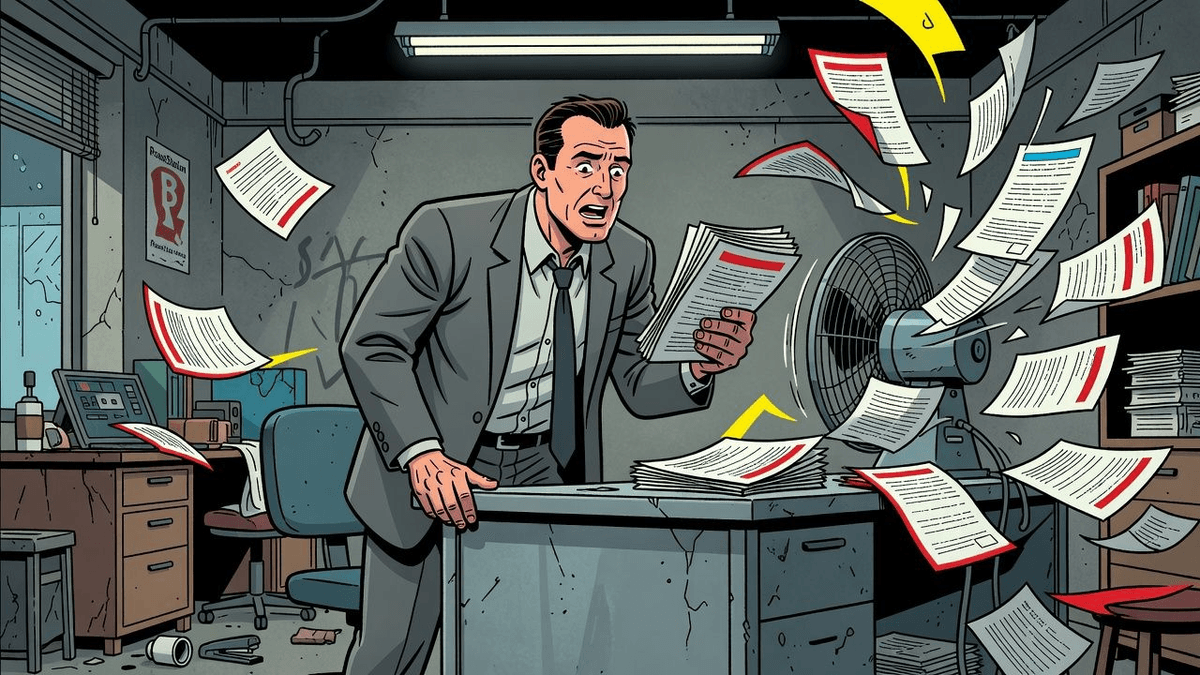

Nothing signals serious energy policy like watching oil prices flip in thin trade every time the threat of hitting Iranian infrastructure gets floated. Markets treat the latest round of warnings as if actual supply lines were already burning, yet the trading volume tells a different story—barely enough movement to qualify as decisive action.
The spin machine calls it "weighing risks" and "monitoring developments," which translates to professionals guessing how far the next round of threats will go before someone actually pulls a trigger. Meanwhile, the infrastructure itself sits there as the same tempting target it has been for months, with no new data to justify the sudden volatility.
This is the part where analysts pretend low-volume swings reflect real supply concerns rather than the market equivalent of a group chat overreacting to one loud voice. The result looks less like price discovery and more like everyone waiting to see who blinks first on the next round of threats.