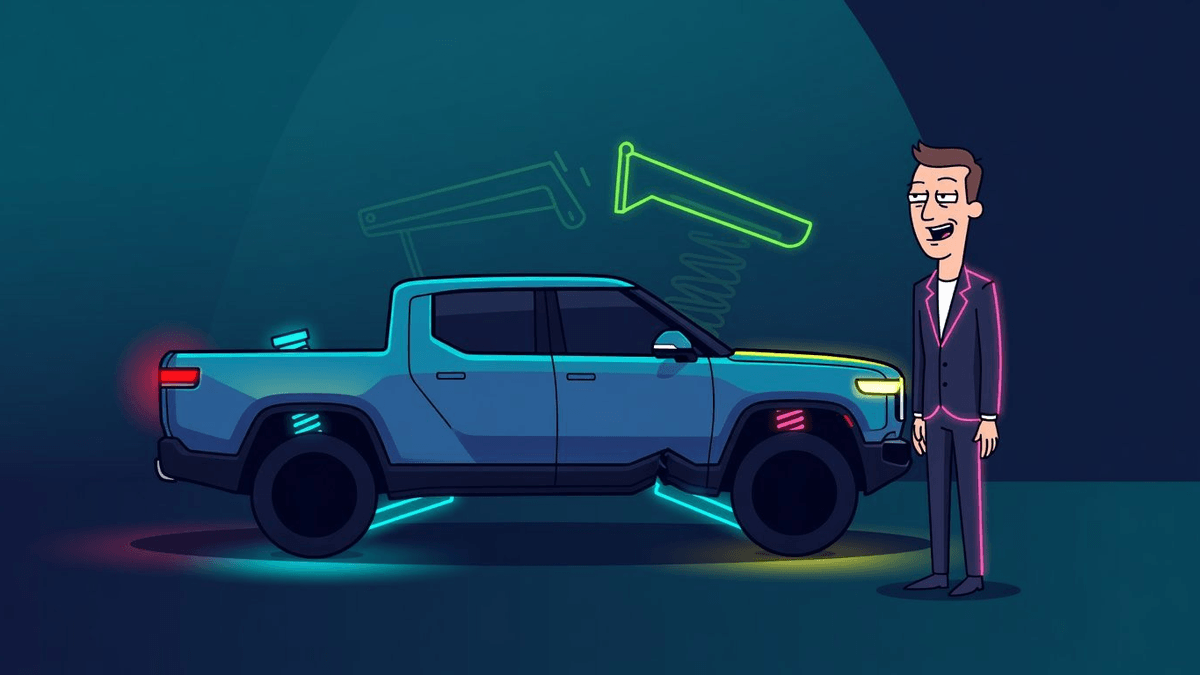
The federal investigation into Rivian has begun its absurdity audit of rear suspension problems on R1 models. Two documented cases show owners losing control when a critical component snapped, each time after the vehicles had already been serviced.
Finding one: A company celebrated for redefining electric performance somehow treats suspension attachment as optional. Owners paying for official service later discover the rear end can decide to go its own way, which is less innovation and more structural suggestion.
Finding two: The timing after service visits points to a repair process that may prioritize speed over actual retention of vital parts. Data shows the failures weren't random; they followed direct human intervention from the company's own teams.
Verdict: When a suspension system requires federal scrutiny to stay connected, the real design flaw sits in the quality checks that signed these vehicles back onto the road.